
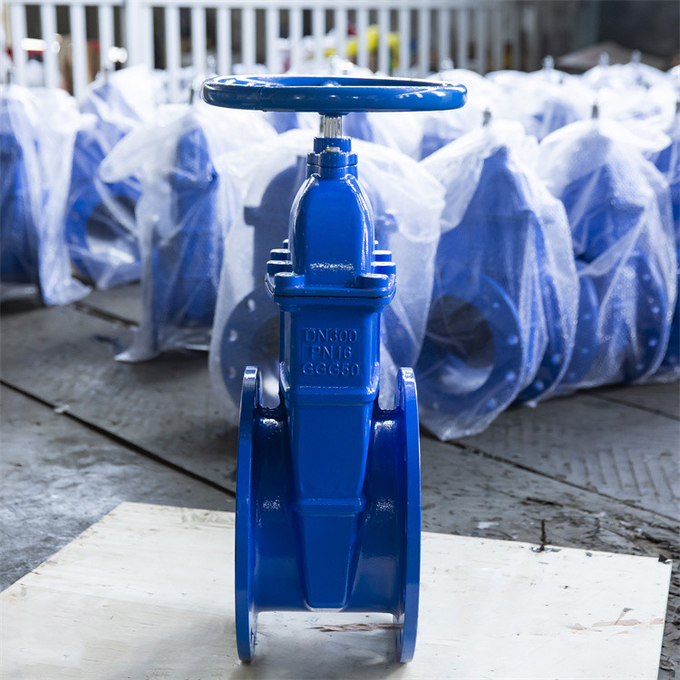
float glass tempered
Understanding the Micrometer Standard Set A Comprehensive Guide In the world of precision measurement, the micrometer standard set stands as a critical tool for engineers, machinists, and hobbyists alike. This set is essential for obtaining high levels of accuracy and precision in measuring small dimensions. Whether you are working in a manufacturing plant, a laboratory, or a DIY workshop, understanding the micrometer standard set can significantly enhance your measurement capabilities. What is a Micrometer? A micrometer, often referred to as a micrometer screw gauge, is a tool that measures small distances with great accuracy. It consists of a calibrated screw mechanism, which allows users to measure thicknesses, diameters, and lengths of objects with precision down to the micrometer scale — one millionth of a meter. Components of a Micrometer Standard Set A typical micrometer standard set includes several key components 1. Micrometer Tools The main measuring devices, often available in various forms including external micrometers for measuring outside dimensions, internal micrometers for inside dimensions, and depth micrometers for measuring depths. 2. Standard Calibration Blocks These blocks are used to calibrate the micrometers. They provide a known reference to ensure that the measurements taken are accurate. Calibration blocks are typically made from high-quality materials to maintain their dimensions over time. 3. Toolbox or Case A sturdy case is necessary for storing the micrometers and calibration blocks safely. It protects the tools from damage and contamination, ensuring they remain accurate throughout their usage. 4. Instruction Manual Many micrometer standard sets come with an instruction manual that includes guidance on how to properly use the tools, calibrate them using the blocks, and maintain them for long-lasting performance. Importance of Calibration Calibration is crucial in the use of a micrometer standard set. Over time and with extended use, micrometers can develop inaccuracies caused by wear and tear, temperature changes, or physical impacts. Regular calibration with standard blocks ensures that the micrometer gives precise readings. Calibration should be performed regularly, especially when tools are first obtained, after being used extensively, or when measurements begin to appear inconsistent. Proper care during calibration will prolong the life of the micrometer and maintain its accuracy. Application in Various Fields micrometer standard set Micrometer standard sets find applications across various fields - Manufacturing In industries where precision machining is essential, such as aerospace or automotive, micrometers are used to ensure components meet stringent specifications. - Quality Control Quality assurance teams utilize micrometers to verify that products conform to the required dimensions, crucial for maintaining standards in production. - Engineering and Design Engineers rely on micrometer measurements during the design phase to create parts that fit perfectly together, especially in assemblies that require tight tolerances. - Hobbies For hobbyists working on model-making, woodwork, or metal fabrication, micrometers aid in achieving accurate dimensions that improve overall project quality. Best Practices for Using Micrometer Standard Sets To get the most out of your micrometer standard set, follow these best practices 1. Handle with Care Always handle the micrometers delicately. Avoid dropping or subjecting them to excessive force, which could misalign the measuring mechanisms. 2. Keep Clean Regularly clean the measuring surfaces to prevent dust and debris from affecting the measurement accuracy. 3. Store Properly Store micrometers in their protective case to avoid damage from environmental elements and mechanical stress. 4. Follow Calibration Procedures Adhere to the calibration procedures outlined in the instruction manual to ensure accurate measurements. Conclusion The micrometer standard set is an indispensable asset for anyone engaged in precision measurement. Understanding its components, the importance of calibration, and best practices ensures that users can leverage these tools effectively across various applications. Whether in a professional setting or for personal projects, investing in a high-quality micrometer standard set not only improves accuracy but also enhances the quality of work produced, making it an essential tool in the precision measurement toolkit.
about
float glass tempered
Understanding Thread Gauge Types A Comprehensive Guide Thread gauges are essential tools in the manufacturing and engineering sectors, used primarily to measure the pitch and diameter of threads on bolts, screws, and other fasteners. Understanding the different types of thread gauges is crucial for quality control, ensuring that screws and bolts fit together perfectly, and that machinery operates smoothly. In this article, we will explore the various types of thread gauges, their functions, and their applications. 1. Types of Thread Gauges When discussing thread gauges, we generally categorize them into several main types - Go/No-Go Gauges These are the most common types of thread gauges used in industry. A Go gauge checks if the thread form is acceptable, while a No-Go gauge tests whether it exceeds specified limits. If a bolt passes the Go gauge but fails the No-Go gauge, it meets the necessary standards. - Pitch Gauges These gauges are designed to measure the pitch of the threads. Pitch is the distance between adjacent threads, and it’s crucial for ensuring compatibility between threaded components. Pitch gauges usually consist of a series of teeth or blades, each corresponding to a specific pitch measurement. - Thread Calipers These precision tools measure the diameter of threaded objects. They can be digital or mechanical, allowing for highly accurate measurements across a variety of thread sizes and types. - Plug Gauges Plug gauges are cylindrical tools used to measure internal threads. They come in Go and No-Go types, similar to other gauges, and are essential for checking the thread alignment and dimensional accuracy of holes. - Thread Rings These gauges are specifically used for checking external threads. Made to the same standards as plug gauges, thread rings can verify external thread dimensions, thus ensuring proper fit with nuts and other threaded pieces. 2. Material Considerations Thread gauges can be made from various materials, including steel, carbide, and stainless steel. The choice of material often depends on the application and the level of precision required. For instance, carbide gauges, while more expensive, offer higher durability and reduced wear, making them suitable for high-volume production environments. thread gauge types 3. Importance of Thread Gauges Thread gauges play a pivotal role in ensuring the quality and compatibility of threaded components. In many industries such as aerospace, automotive, and construction, the precision of threaded elements is critical. Misaligned or poorly fitting threads can lead to catastrophic failures, equipment malfunctions, and increased costs due to repairs and downtime. Moreover, using thread gauges at different stages of the manufacturing process ensures that components meet industry standards. Regular calibration and maintenance of gauging tools are equally important to maintain measurement accuracy. 4. Best Practices for Use To effectively utilize thread gauges, follow these best practices - Regular Calibration Ensure that gauges are calibrated regularly to maintain accuracy. Even minor deviations can have significant implications in precision engineering. - Use Proper Techniques Familiarize yourself with the correct techniques for measuring threads, including how to hold the gauge securely and apply appropriate pressure during measurement. - Documentation Maintain detailed records of measurements and any issues encountered during the gauging process. This helps in identifying trends and potential areas of improvement in the manufacturing process. - Training Proper training for personnel who handle thread gauges is critical. Understanding how to read gauge measurements and interpret results correctly is vital for maintaining quality standards. Conclusion Thread gauges are indispensable tools in various industries, ensuring that threaded components meet strict engineering requirements. By understanding the different types of gauges, how to use them effectively, and recognizing their importance in quality control, manufacturers can significantly enhance their productivity and ensure the safety and functionality of their products. Whether it's a simple bolt or a complex machine part, the accuracy provided by thread gauges plays a vital role in maintaining high manufacturing standards.
-

High quality industrial productsagement

High quality industrial products
View Details -

Meet the diverse needs of customers

Meet the diverse needs of customers
View Details -

Strict quality control

Strict quality control
View Details -

Top raw materials

Top raw materials
View Details -

Trusted supplier

Trusted supplier
View Details
Our application


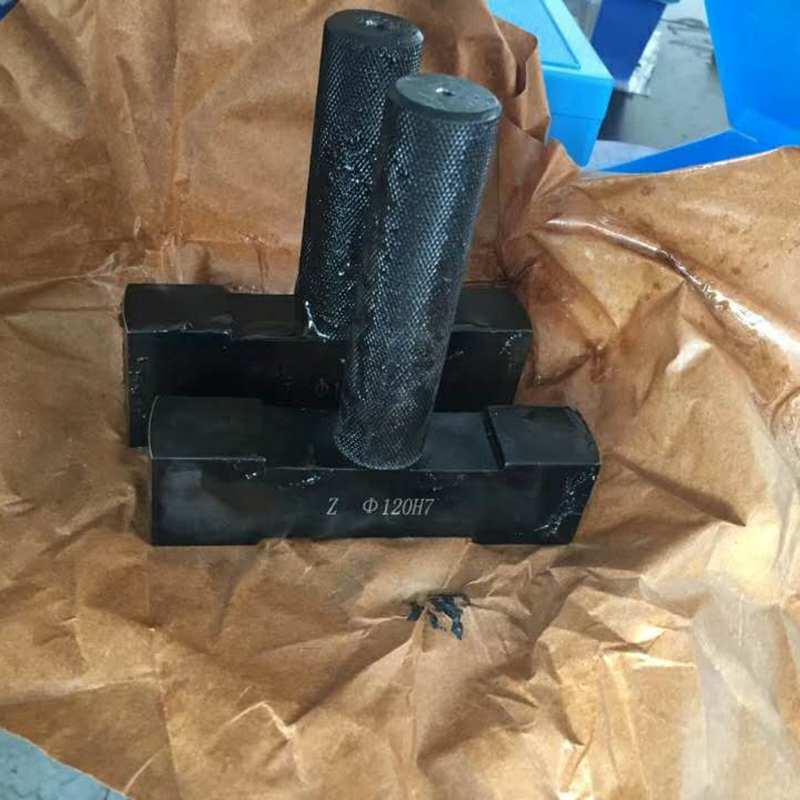
news and information
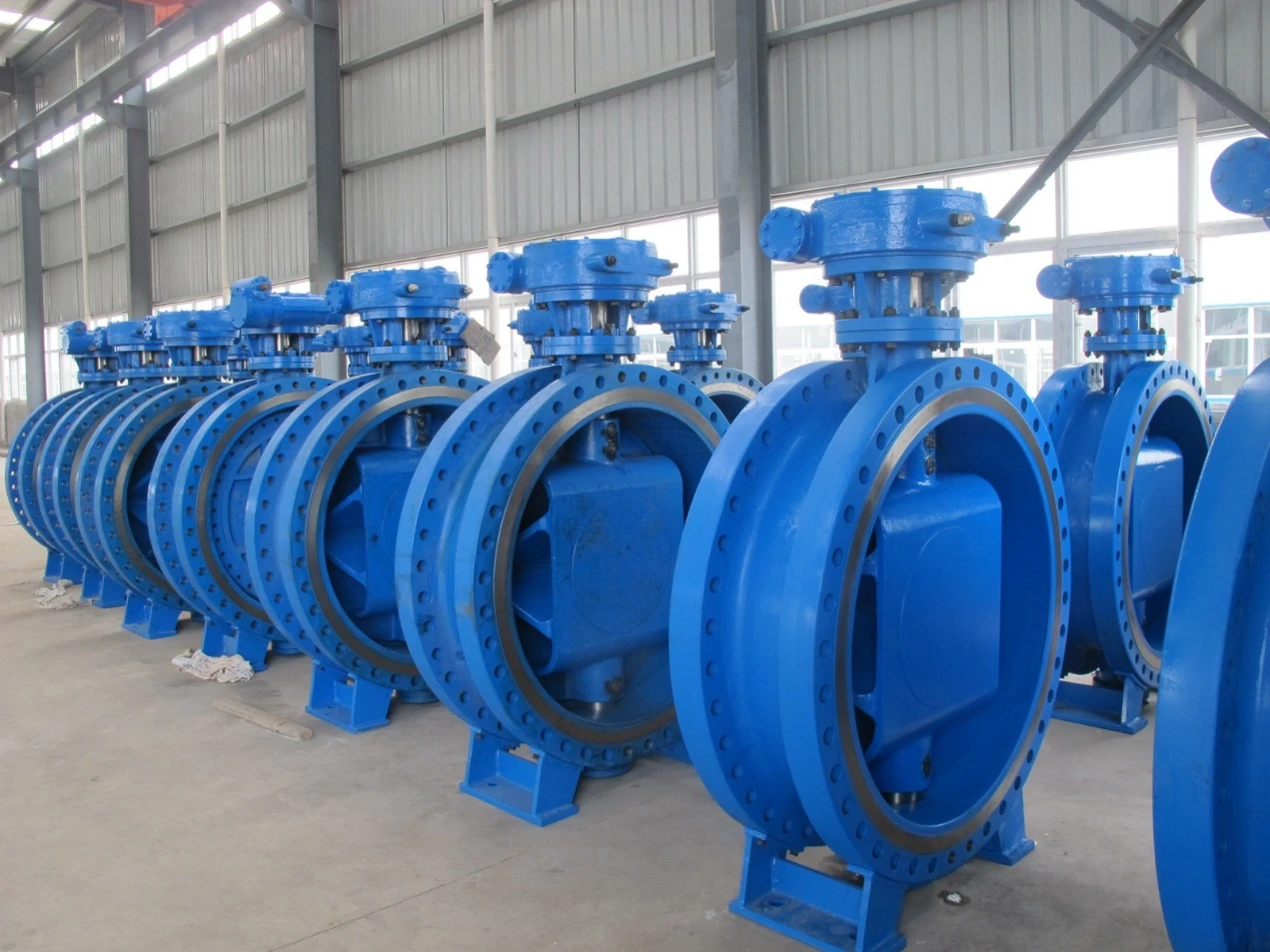
valve factory
Located at the very heart of industrial innovation, valve factories have become pivotal in shaping t
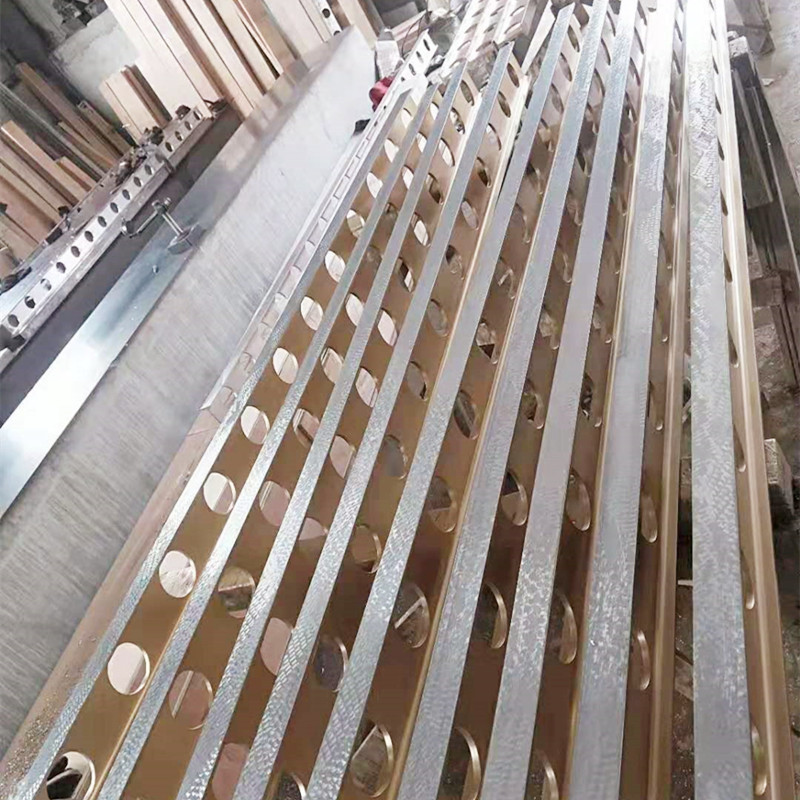
water valve main
Understanding Water Valve Main Key Components and Importance Water valves are critical components in

water pressure reduction valve
The world of plumbing often seems straightforward until issues like high water pressure disrupt your
 English